11 November 2026
Insurance Restoration vs. Paying for Roof Repairs Yourself: Which Option Fits Your Situation?
Presented by @thestormhome
When your roof takes damage, the first decision is often financial
A damaged roof is stressful enough without the added confusion of how to pay for the repairs. Whether the cause is a spring hailstorm, a fallen tree branch, or years of wear, homeowners in Central Texas face two main paths: file an insurance claim and let a restoration contractor handle the work, or pay out of pocket and manage the repairs directly. Each approach has its own trade-offs, and the right choice depends on the extent of the damage, your policy details, and your personal comfort with the claims process. Before you decide, a thorough roof damage inspection is the essential first step that will give you the facts you need to compare both options clearly.
What a roof damage inspection actually tells you
A professional inspection does more than confirm what you already suspect. The inspector walks the roof, checks flashings, valleys, vents, and penetrations, and looks for hidden issues like soft decking or deteriorated underlayment. For storm damage, the inspector will also note whether the damage is uniform across the slope or isolated to one area. This distinction matters because insurance adjusters look for patterns that suggest a single weather event rather than gradual wear. The inspection report becomes the foundation of your decision: it documents the scope of work, gives you a restoration estimate, and provides the photographs and notes you need for claim documentation. Without this baseline, you are guessing at costs and coverage.
Option one: Insurance restoration
Filing a claim means you involve your insurance company from the start. An adjuster will visit the property, often after you have submitted the inspection report and damage photographs. The adjuster determines the covered amount based on your policy coverage, your deductible, and the cause of loss. If the claim is approved, the insurance company issues a payment for the covered repairs minus the deductible. A restoration contractor then works with the insurer on the final scope of work and any supplements needed if hidden damage is found during the tear-off.
The main advantage of this route is financial protection. Major repairs or a full replacement can cost thousands of dollars, and most homeowners do not have that kind of cash set aside. Insurance spreads that risk over time through your premium. For storm damage in particular, where multiple homes in a neighborhood may be affected, the claims process is well established and adjusters are familiar with the typical restoration estimate amounts.
However, there are downsides. Your premium may increase after a claim, and some policies have wind or hail deductibles that are higher than your standard deductible. You also give up some control: the insurance company has a say in the approved materials and the timeline, especially if the damage is widespread and contractors are busy. Claim documentation must be thorough, and any gaps in your records can delay payment. For minor damage where the repair cost is close to or below your deductible, filing a claim may not be worth the potential rate hike.

Option two: Paying for repairs yourself
Paying out of pocket means you are the decision-maker and the sole source of funds. You choose the contractor, the materials, and the schedule without waiting for an adjuster or an approval letter. For small repairs such as a few missing shingles, a patch around a vent, or a minor leak, this can be the faster and simpler path. You avoid the paperwork, the phone calls, and the uncertainty of whether the claim will be honored.
Another reason homeowners choose this route is to protect their claims history. Even a single claim can affect your rates for several years, and some insurers may decline to renew a policy after multiple claims in a short period. If the damage is modest and you can comfortably afford the repair, paying yourself keeps your record clean and your premium stable. Temporary repairs such as tarping a small leak can buy you time to save for the permanent fix without involving the insurance company at all.
The obvious drawback is the upfront cost. A full roof replacement is a major expense, and many homeowners do not have that cash available. Also, if you pay yourself, you carry the full risk of discovering more damage once the old roof is removed. If the decking is rotten or the framing needs work, the cost can climb quickly. Without an insurance adjuster to share that burden, you absorb every unexpected cost.
How to decide which path is right for you
The decision often comes down to three factors: the extent of the damage, your deductible, and your long-term financial goals. Start by getting a professional roof damage inspection. The inspector's written report will include photographs, a description of the damage, and a restoration estimate. Compare that estimate to your deductible. If the repair cost is only slightly above your deductible, the insurance payout will be small, and the potential premium increase may outweigh the benefit. In that case, paying out of pocket makes sense. If the estimate is several times your deductible, filing a claim is likely the better financial move.
Regenesis Roofing & Restoration LLC is also on Facebook.
Also consider the type of damage. Storm-related damage such as hail impact or wind uplift is typically covered under standard homeowner policies, and insurers expect claims after major weather events. Gradual wear, such as aging shingles or a leak from poor maintenance, is usually not covered. If the inspection reveals that the damage stems from long-term deterioration, you will likely be paying for the repair yourself regardless of whether you file a claim.
Key questions to ask before deciding
- What is my deductible, and how does it compare to the estimated repair cost?
- Does my policy cover the specific cause of damage, such as hail or wind?
- How many claims have I filed in the past few years, and what is my insurer's history with rate increases after claims?
- Can I comfortably pay for the repair out of pocket without straining my savings?
- How urgent is the repair? Can temporary repairs hold until I have time to go through the claims process?
These questions help you weigh the trade-offs in your specific situation. There is no universal answer, but a clear understanding of your policy and your budget makes the choice much easier.

The role of a restoration contractor in either scenario
Whether you file a claim or pay yourself, the contractor you choose matters. A restoration contractor specializes in working with insurance claims and understands the documentation and supplement process. They can help ensure that the scope of work matches what the adjuster approves, and they know how to present hidden damage so that the insurance company covers it. When you pay yourself, the same contractor can still provide a detailed estimate and handle the project efficiently, but you will not have the insurance company's oversight on quality or pricing.
One local contractor that handles both insurance restoration and direct-pay repairs is Regenesis Roofing & Restoration LLC. They offer roof inspections, repairs, replacements, hail damage restoration, and storm-related roofing services to homeowners in Cedar Park, Leander, and nearby North Austin communities. Their team can help you understand whether the damage is likely covered by your policy and walk you through the restoration estimate so you can make an informed decision.
When a claim makes sense and when it does not
Claims are generally a good fit when the damage is extensive, caused by a covered peril, and clearly exceeds your deductible. A full roof replacement after a hailstorm, for example, is a classic claim scenario. The cost is high, the cause is covered, and the adjuster will see the same pattern across the neighborhood. On the other hand, a single leak from an old flashing detail that has been failing for years is not a claim situation. It is a maintenance issue, and paying for the repair yourself is the appropriate response.
Another scenario where paying yourself works well is when you want a specific upgrade. If your insurance only covers the depreciated value of old shingles, you may have to pay the difference out of pocket anyway. In that case, you might decide to skip the claim entirely and pay for the upgrade you want without involving the insurer. Just be sure the repair still meets local building codes and your homeowner association's requirements.
Practical steps to take right now
Start with a roof damage inspection. A certified inspector will give you a written report with photographs and a clear description of the damage. Use that report to get a restoration estimate from a qualified contractor. Then call your insurance agent and ask about your specific coverage, your deductible, and how a claim might affect your premium. Do not rely on general advice from neighbors or online forums. Your policy is unique, and only your agent can tell you the details.
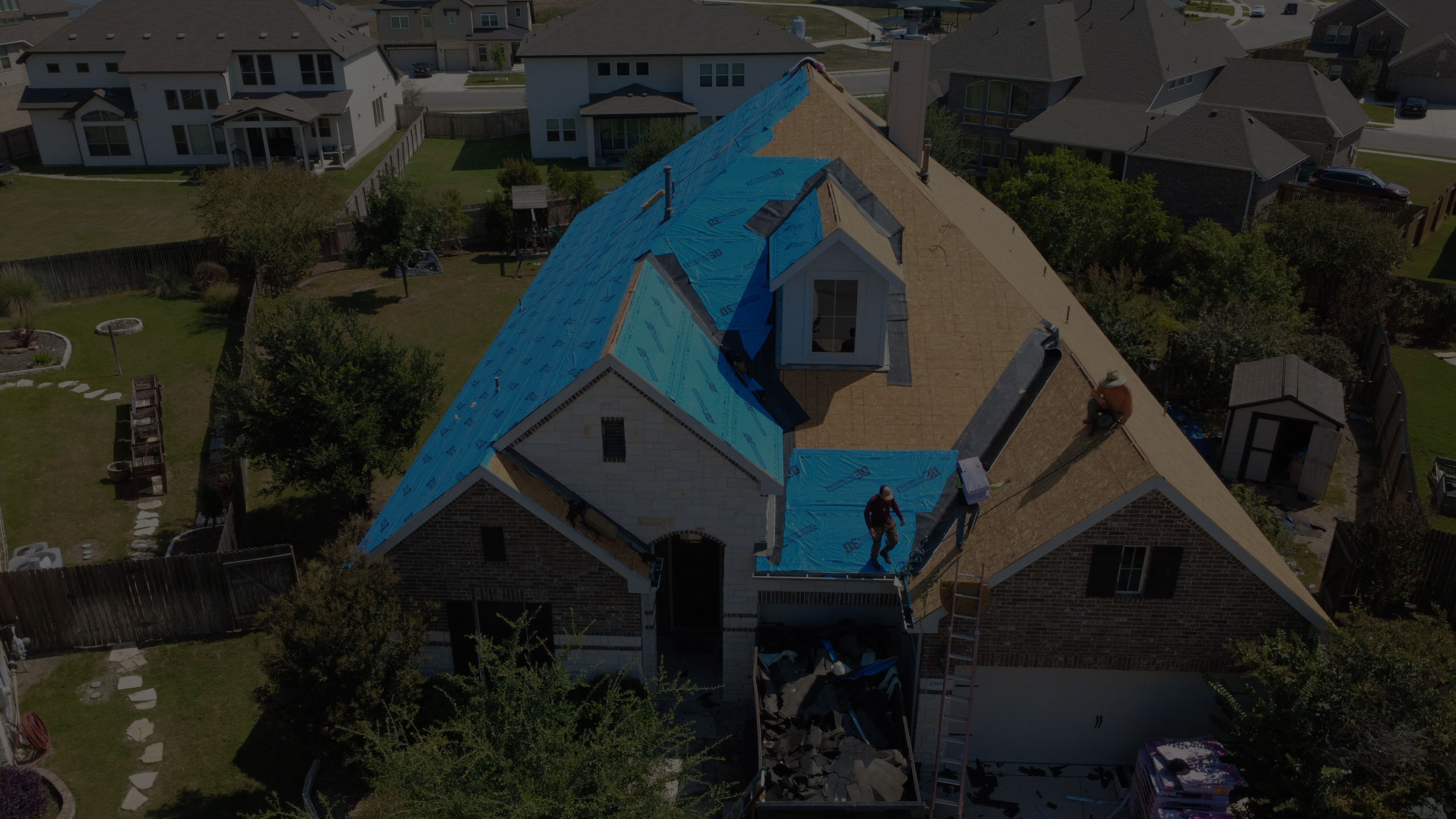
If the estimate is well below your deductible and you have the cash, pay for the repair yourself. If the estimate is high and the damage is from a covered event, file the claim and let the process work. If you are in between, consider the long-term cost of a premium increase versus the immediate out-of-pocket expense. A good contractor can give you a ballpark idea of what the repair will cost, but only you can decide what fits your budget and your risk tolerance.
For homeowners in Cedar Park, Leander, and the North Austin area, Regenesis Roofing & Restoration LLC provides roof inspections, repairs, replacements, hail damage restoration, and storm-related roofing services. They are located at 2302 John Tee Dr, Cedar Park, TX 78613, USA, and can be reached at +1 512-674-5979. A thorough inspection from a trusted local contractor is the first step toward making a confident decision, whether you choose to file a claim or pay for the repairs yourself.